
The evolution of gambling A historical perspective on risk and reward
The evolution of gambling A historical perspective on risk and reward
The Origins of Gambling
Gambling has roots that trace back thousands of years, embedded in the fabric of human culture. Evidence suggests that as early as 3000 BC, ancient civilizations, such as the Chinese and Egyptians, engaged in various forms of gambling. These early practices involved rudimentary betting games using dice and rudimentary betting systems, often associated with rituals and social gatherings. Today, many are exploring the thrill of high roller experiences, where the stakes are particularly high, just like at non gamstop casinos.
As societies evolved, so did the complexity of gambling activities. The Greeks and Romans added their own twists, with games like knucklebones and early forms of betting on athletic competitions. This historical foundation laid the groundwork for modern gambling, intertwining risk and reward in ways that would captivate human interest for centuries.
The Rise of Casinos
The modern casino as we know it began to take shape in the 17th century, particularly in Italy. The first recognized gambling house, the Ridotto, was established in Venice in 1638, providing a regulated environment for gambling that was both entertaining and profitable. This innovation marked a significant shift, as gambling moved from informal settings to structured venues, attracting high rollers and casual players alike.
As casinos spread across Europe, they began to incorporate a variety of games that emphasized chance and strategy. From the roulette wheel to card games, these establishments became social hubs where risk-taking was celebrated, and fortunes could change within the spin of a wheel or the turn of a card. This evolution reflected society’s fascination with luck and its interplay with wealth.
The Impact of Technology
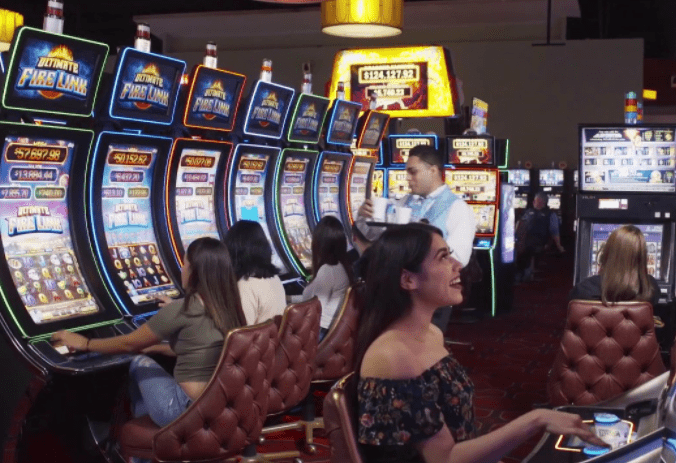
The introduction of technology significantly transformed the gambling landscape in the 20th century. The development of electronic gaming machines and online platforms revolutionized how people interacted with gambling. Slot machines, once mechanical, became digital and more engaging, attracting a broader audience and increasing participation rates.
Online gambling emerged as a major player in the late 1990s, allowing users to place bets from the comfort of their homes. This technological shift not only expanded access to gambling but also introduced new dynamics of risk and reward. Gamblers could now engage with an array of options at their fingertips, leading to a global gambling culture where players from different backgrounds could connect through shared experiences.
The Social Implications of Gambling
As gambling evolved, so did the conversations around its societal implications. The thrill of risk-taking often comes paired with potential consequences, leading to discussions about addiction, responsible gambling, and regulations. Various countries have implemented measures to ensure that while gambling can provide entertainment, it does not become detrimental to individuals and communities.
Public perception of gambling has shifted over the years, influenced by cultural norms and the increasing visibility of gambling in media. Understanding the balance between the excitement of risk and the need for responsible practices has become a focal point in discussions about the future of gambling, aiming to foster an environment where enjoyment does not overshadow safety.

Promoting a Balanced Approach to Gambling
At the intersection of work and personal life, the evolution of gambling reflects broader themes of risk management and personal choice. As professionals seek balance in their lives, understanding gambling’s history provides valuable insights into human behavior surrounding risk and reward. Responsible gambling practices can align with a healthy work-life balance, ensuring that individuals enjoy their leisure time without jeopardizing their well-being.
By exploring the historical context of gambling, individuals can make informed decisions about their recreational activities. It encourages a perspective that appreciates the thrill of risk while promoting responsible engagement. For those interested in more resources on achieving a balanced lifestyle, guidance is available to help navigate the complexities of personal and professional commitments.
Dejar un comentario
¿Quieres unirte a la conversación?Siéntete libre de contribuir!