Your Guide to Beginner Forex Trading
For those looking to dive into the fascinating world of Forex trading, understanding the basics is crucial. In this guide, we’ll explore essential concepts, strategies, and tips for beginners, ensuring that you start your Forex journey on the right foot. To find a reliable platform, you can check beginner forex trading Trading Brokers in Vietnam.
What is Forex Trading?
Forex, short for foreign exchange, refers to the global marketplace where currencies are traded. Unlike stocks, which are traded on centralized exchanges, Forex operates over the counter (OTC), meaning that trades occur directly between parties, often via electronic networks. The primary goal of Forex trading is to profit from fluctuations in currency values.
Understanding Currency Pairs
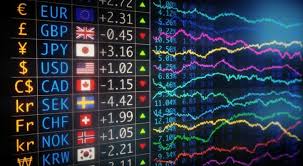
In Forex trading, currencies are traded in pairs. For instance, in the EUR/USD pair, the Euro is the base currency, while the US Dollar is the quote currency. When you buy this pair, you are purchasing Euros and simultaneously selling US Dollars. If the value of the Euro rises against the Dollar, your position becomes profitable.
Types of Currency Pairs
Currency pairs are categorized into three main types:
- Major Pairs: These involve the most traded currencies, such as USD, EUR, and JPY. Examples include EUR/USD and USD/JPY.
- Minor Pairs: These do not involve the USD and include currencies like the GBP and AUD. An example would be GBP/JPY.
- Exotic Pairs: These comprise a major currency paired with a currency from a developing economy, such as USD/TRY (Turkish Lira).
How the Forex Market Works
The Forex market operates 24 hours a day during business days. It is segmented into four major trading sessions: Sydney, Tokyo, London, and New York. Each session offers different liquidity and volatility levels, impacting trading opportunities.
Key Terminology for Beginners
Before you start trading, familiarize yourself with essential Forex terminology:
- Pip: The smallest price movement in a currency pair.
- Spread: The difference between the bid and ask prices, representing the cost of trading.
- Leverage: A tool that allows traders to control larger positions than their capital would typically permit by borrowing funds.
- Margin: The amount of money required to open a leveraged position.
Developing a Trading Strategy
A well-defined trading strategy is crucial for success in Forex trading. Here are some popular strategies to consider:
1. Day Trading
Day trading involves buying and selling currencies within the same trading day, taking advantage of small market movements.
2. Swing Trading
Swing traders hold positions for several days to capitalize on expected price moves, relying on technical analysis and market trends.
3. Scalping
Scalping focuses on small price gaps created by order flows or spreads. Scalpers aim for quick profits by executing numerous trades throughout the day.
Understanding Technical and Fundamental Analysis
Effective Forex trading requires a good understanding of both technical and fundamental analysis:
Technical Analysis
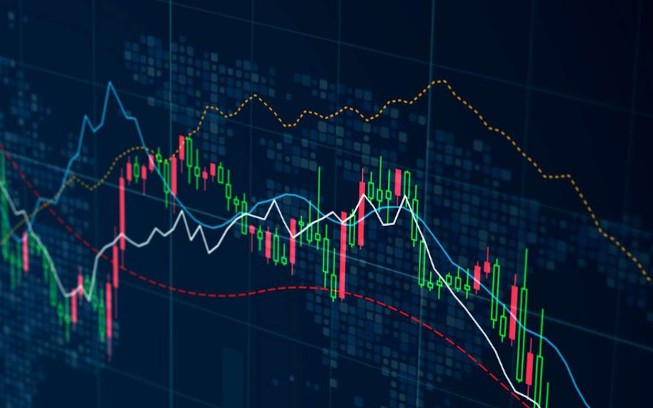
This involves analyzing price charts and indicators to forecast future price movements. Traders use tools like moving averages, RSI, and Fibonacci retracement to make informed decisions.
Fundamental Analysis
Fundamental analysis focuses on economic indicators, news events, and broader market conditions. Key reports such as employment numbers, GDP, and interest rates can significantly affect currency values.
Choosing a Forex Broker
Selecting the right Forex broker is paramount for your trading success. When choosing a broker, consider the following factors:
- Regulation: Ensure the broker is regulated by reputable authorities to safeguard your funds.
- Trading Platform: A user-friendly platform with robust features can enhance your trading experience.
- Fees and Spreads: Compare the costs associated with trading, including spreads and commissions.
- Customer Support: Reliable customer support is essential, particularly for beginners who may have questions or need assistance.
Risk Management in Forex Trading
Risk management is integral to preserving your trading capital. Implement strategies like:
- Setting Stop Losses: Determine a limit to your losses on each trade by setting stop-loss orders.
- Using Proper Position Sizing: Calculate the appropriate position size based on your account balance and risk tolerance.
- Diversifying Your Trades: Avoid putting all your capital into one trade or currency pair to mitigate risk.
Brokers and Trading Platforms
In the realm of Forex trading, selecting a broker that fits your needs can greatly enhance your trading experience. Modern platforms offer a variety of features that cater to both beginners and experienced traders alike. It is advisable to explore Trading Brokers in Vietnam to identify platforms that can help you grow your Forex investment smoothly and efficiently.
Conclusion
Embarking on your Forex trading journey is both exciting and challenging. Remember, successful trading requires ongoing education, discipline, and a clear strategy. Start small, make informed decisions, and gradually enhance your skills. With determination and the right approach, you can navigate the Forex market effectively and work toward achieving your financial goals.