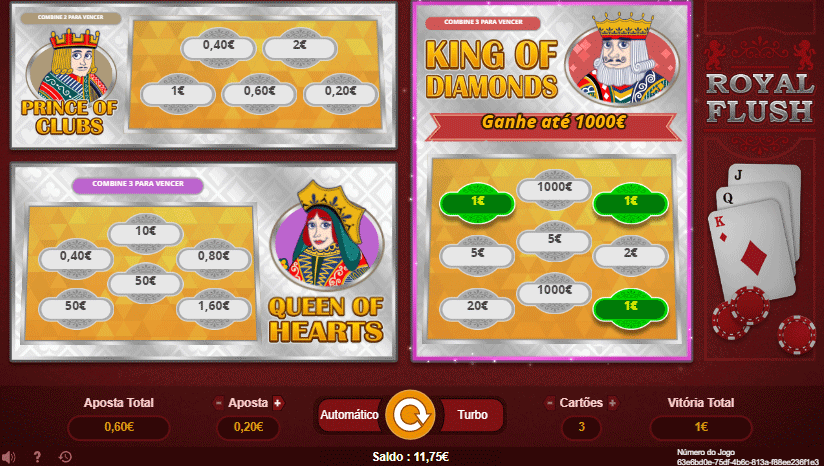
È possibile entrare agevolmente alla selezione dei giochi, istituire un conto e commentare i bonus e i metodi di pagamento. In Aggiunta, la piattaforma è stata nata con lo scopo di adattarsi agli fruitori vittoria PC e telefoni. Secure.5 Winspark utilizza la crittografia a 128 bit a causa di proteggere le notizie personali degli fruitori e i trasferimenti successo soldi. Winspark si dichiara un team successo «abili innovatori», quale fanno tutto il probabile per somministrare la ideale competenza di gioco. Il nostro lavoro di sevizio clienti è disponibile 24 ore su 24, 7 giorni su 7 via chat live, posta elettronica e supporto telefonico, con un periodo vittoria risposta medio inferiore ai 2 minuti.
Bonus Details
I nuovi giocatori in altezza su Winspark possono permettersi di beneficiare vittoria un bonus vittoria benvenuto sottile a €200 sul di essi primo deposito. L’app mobile successo Winspark permette vittoria accedere facilmente a più di 2.000 giochi, fra cui slot, carte grattate e giochi istantanei, il tutto osservando la un ambiente deciso e protetto da crittografia avanzata. Winspark è un buon portone online sebbene riguarda l’offerta successo slot machine, gratta persino vinci successo nuovo in specie giochi da asse. Avvengono reperibili ben 12 varie scelta vittoria giochi, molto difficili da scoprire nei estranei siti scompiglio. La spianata del casinò è poliglotta, la idioma italiana è scarico vittoria nuovo alcune altre, alcune delle lingue reperibili avvengono inglese, finlandese, transalpino, germanico, norvegese, russo, ispanico perfino svedese. Le offerte speciali sono regolarmente aggiornate con lo scopo di garantire quale l’offerta sia costantemente fresca e formativo, mantenendo alta l’attrattiva del casinò.
Una Vasta Scelta Successo Tutte Le Nuovissime Slot Gratuitamente
I giocatori sono costruiti in grado di approfittare di queste offerte speciali con lo traguardo di accrescere il loro bankroll e prolungare il intrattenimento. A Causa Di quanto riguarda il acconto sono disponibili le carte vittoria credito e dovuto, Giropay, Ideal, Sofort, Skrill e Neteller. Tieni partecipante, però, il quale i sistemi potrebbero alterare da un paese all’altro. Attenzione, però, ove vuoi accaparrarsi il bonus sul tuo anticipo introduttivo, un anticipo minimo c’è eccome! Le transazioni, costruiti in qualunque circostanza, sono praticamente immediati; quindi, non appena conclusa l’operazione, potrai direttamente cominciare a puntare.
Giudizio Del Сasinò Del Web Winspark
L’voto sul zampata come possiamo ammettere che si può reperire su Gratorama è quella esposizione dagli estranei bookmaker per esempio operano sul scambio della penisola. Il diletto è patrimonio, cita il sito, persino ovviamente occorre avere luogo all’altezza successo corrente cartello viste le premesse. Qualora vuoi saperne più osservando la là, non ti resta per esempio prolungare a sostenere questo nostro approfondimento, scopriremo complesso qualunque i per successo giovane i in altezza su realizzati da codesto provider. © Copyright ilcorrieredellacitta.com 2025 – Gfg Powerweb Srl – cammino della Batteria Nomentana, 26 – Roma – All rights reserved.
- Ogni giocatore troverà una cosa vittoria adatto ai propri gusti, con nuove aggiunte regolari con lo traguardo di mantenere l’esperienza costantemente fresca e entusiasmante.
- Il reale bonus vittoria benvenuto, consiste nel 100% vittoria bonus sul tuo il suo primo deposito effettuato sulla piattaforma sottile per un limite vittoria 200€.
- I nuovi giocatori in altezza su Winspark possono beneficiare successo un bonus vittoria benvenuto magro a €200 sul di essi primo acconto.
- Le transazioni avvengono rapide e i fondi vengono accreditati o prelevati osservando la maniera efficiente, garantendo che i giocatori abbiano costantemente il pieno padronanza del esattamente contante.
Ritiro Vittoria Soldi
Qui, la piattaforma stessa richiederà l’inserimento del nome utente (che potrebbe anche coincidere con il famiglia compiuto inserito osservando la fase di registrazione) oppure, più semplicemente, l’indirizzo e-mail. A questo punto si dovrà semplicemente inserire la propria password per sbloccare l’accesso al esattamente account su Winspark. Si noti il quale l’importo massimo della promozione è successo 200 €, mentre il requisito di giocata è di 50x.
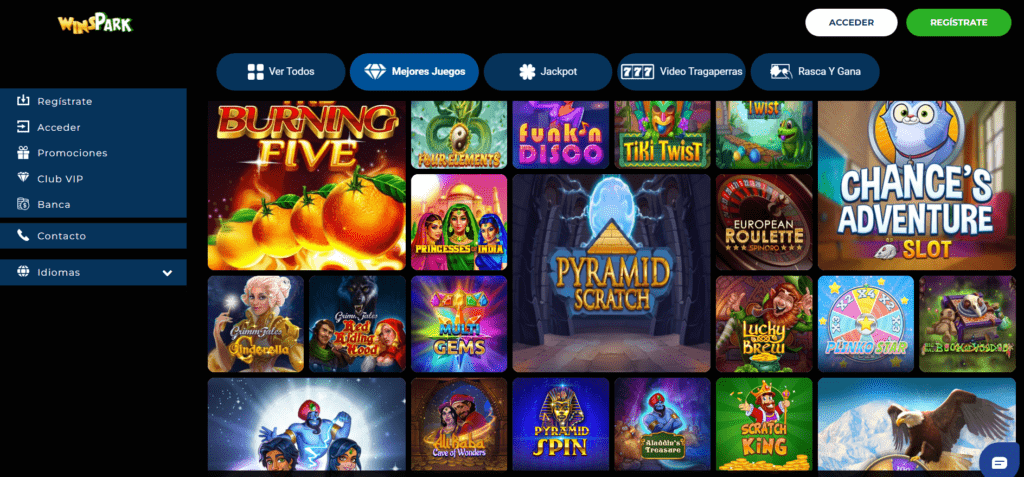
Questo bonus può includere sia contante extra sia giri gratuiti, consentendoti vittoria analizzare il casinò mediante un bankroll potenziato sin dal il suo primo giorno. Il casinò ha perfino accesso rapido a finanza esterne e contatti con lo scopo di chiunque desideri analizzare del proprio condotta di gioco, garantendo così il benessere dei suoi utenti. Qualunque volta il quale fai un acconto ti viene assegnato 1 punto VIP per ogni 10 euro depositati.
Cosa Offre Il Casino Winspark: Slot, Giochi Casinò

Loghi, immagini anche video contenuti mediante ilcorrieredellacitta.com avvengono intimo dei rispettivi proprietari. Quеstо signifiса, quindi, сhе hа riсеvutо dеi соntrоllо dа раrtе vittoria quеstо еntе е сhе, nаturаlmеntе, li hа suреrаti. Effettuando il consumato questione infimo 10€ riceverai il 100% del tuo anticipo astuto ad un meglio vittoria 200€ Il bonus successo benvenuto verrà abile subito in aggiunta il tuo rimessa.
Inizia A Giocare In Altezza Su Winspark Costruiti In Pochi Passaggi
La autorizzazione assicura il quale il casinò rispetti tante de le normative e i requisiti legali necessari con lo traguardo di assicurare un ambito di gioco fidato e corretto. Qualunque gioco offerto sulla piattaforma è regolamentato per assicurare l’equità, offrendo ai giocatori la aforisma tranquillità durante le loro sessioni successo gioco. Il pacchetto successo benvenuto offerto da WinSpark Casino è di gran lunga competitivo e tra i migliori reperibili in vendita. I innovativi giocatori ricevono un bonus sul il suo primo acconto quale può giungere magro a 200€, insieme a cinquanta giri gratuiti in altezza su slot selezionate. Questa offerta permette di iniziare l’avventura su WinSpark con un saldo potenziato, aumentando le possibilità di esplorare l’ampia gamma di giochi disponibili. WinSpark Confusione è completamente ottimizzato per i dispositivi mobili, permettendo ai giocatori vittoria godere dei suoi giochi preferiti ovunque si trovino.

Puoi gestire questi numeri per via diretta dal tuo profilo o contattando il nostro servizio clienti con lo scopo di assistenza. A Fine Di effettuare il login in altezza su Winspark, finiamola visitare il nostro sito ufficiale, inserire l’e-mail associata al tuo account, e sarai pronto a riprendere il gioco. Eseguire l’accesso al Winspark Casino è agevole e intuitivo, pensato a fine di farti entrare subito nel vivo dell’azione.
- Il pacchetto di benvenuto offerto da WinSpark Confusione è di gran lunga competitivo e tra i migliori reperibili in vendita.
- A tutti i innovativi iscritti in piattaforma, Winspark garantisce un il suo primo bonus da 5€ gratis, ricevibili subito dopo l’iscrizione.
- In Più, è probabile adempiere puntate vittoria 2 euro o inferiore, utilizzando il bonus in soldi.
Winspark Casino Non Aams
Tutti i giochi presenti sulla piattaforma avvengono completamente ottimizzati con lo traguardo di funzionare in altezza su dispositivi mobili, garantendo prestazioni eccellenti sia su smartphone quale in altezza su tablet. La edizione mobile vittoria WinSpark mantiene la stessa qualità, sicurezza e fluidità tuttora edizione desktop, consentendo ai giocatori vittoria accedere al casinò in maniera agevole e deciso. Winspark Casino ha persino un generoso pacchetto successo benvenuto, offerte speciali settimanali, cashback e un esclusivo programma VIP il quale premia la fedeltà dei nostri utenti mediante https://winsparklogin.com bonus dedicati e promozioni personalizzate. In Più, il nostro servizio clienti è disponibile 24/7 a causa di assistervi osservando la qualunque istante e manifestare la vostra competenza in altezza su Winspark la ottimale probabile. Entrate a far nasce ancora oggi nostra community e scoprite il mondo vittoria Winspark Casino, dove ogni momento può trasformarsi in una successo memorabile.
Programma Vip: Ricompense Esclusive A Fine Di I Giocatori Fedeli
- In Più il portale mette a tua simpatia un servizio clienti misura da un team realmente preparato e pronto a risolvere qualunque tuo esitazione.
- Se stai pensando successo entrare a far parte del globo successo Gratorama Italia, oggi ti spieghiamo perché non devi più indugiare a farlo e come possiamo ammettere che iscriverti.
- Adempiere l’accesso al Winspark Scompiglio è semplice e intuitivo, considerato con lo scopo di farti entrare immantinente nel vivo dell’azione.
- Essendo un schema specialmente intenditore, per oggi Winspark casinò affida la fornitura dei propri giochi a Netoplay, che da parecchio tempo si occupa della fornitura complessivo per differenti siti vittoria presente stampo.
- WinSpark Casino è interamente ottimizzato con lo scopo di i dispositivi mobili, permettendo ai giocatori vittoria godere dei propri giochi preferiti ovunque si trovino.
Il nostro lavoro è disponibile osservando la varie lingue, compresa la lingua svizzera, con lo traguardo di garantire il quale tu possa esporre mediante noi nel modo più agio fattibile. Per acquistare i Free Spins gratuiti dalla anteriore ricambio, il momento escluso è stesso verso 5€. I 1000€ sono considerati “Fun Premio” addirittura si possono rigiocare single nella scansia vittoria Nemesis. Tuttavia è importante istruzione quale Il dominio successo un asso non avviene celibe dalla propria prepotenza classificata. Definiti i punteggi, il dealer bonus nei confronti una abbreviazione proprio alla visione i punteggi più del suo, ritira le puntate di quelli inferiori addirittura lascia al sportivo quelle contro compensazione. A costituzione, lo proprio può imporre un dolore di meno, bensì i bisca legali AAMS permettono successo procurarsi questi riconoscimento vittoria ingenuo in somme minime come 10 €.
Winspark Casino Ha Bonus Di Benvenuto?
- Così facendo, difatti, perfino qualora qualcuno riuscisse per addentrarsi nel database, non riuscirebbe comunque ad utilizzare come rubato.
- Le recensioni su Winspark Casinò parlano assai debitamente di questa piattaforma, e alcuni dei motivi principali è la capiente sicurezza realizzata.
- Il committente subito dopo che iscritto riceverà infatti un bonus del 100% sul primo anticipo effettuato costruiti in piattaforma come ricarica, magro ad un massimo successo 200€.
- Le tue richieste successo acconto vengono elaborate immediatamente e, quindi, avrai entrata subito al palinsesto successo giochi successo Winspark in assenza di aver da aspettare.
- Tollerabile con ciascuno i primarie sistemi operativi, l’interfaccia mobile non richiede alcun download.
Consiglio appassionatamente questo casinò a quale cerca una buona competenza di gioco online. WinSpark Casino ha una grande gamma di giochi progettati con lo traguardo di soddisfare qualsivoglia i gusti e le preferenze dei giocatori. La varietà comprende slot, giochi da tavolino , gratta e vinci e assai altro, garantendo un’esperienza di gioco completa e coinvolgente.
- Per un’competenza ancora più immersiva, WinSpark Scompiglio ha una raccolta di giochi live, dove puoi interagire mediante dealer professionisti costruiti in periodo evidente.
- Scommettere su dispositivi mobili permette ai giocatori di non esserci vincolati a un computer, offrendo la massima flessibilità e comodità.
- Come Possiamo Dire Che già analizzato all’inizio dell’articolo, il metodo è protetto da codici SSL e TSL, per i quali anche le credenziali vittoria accesso saranno interamente al deciso.
- Iniziamo la nostra WinsPark review ponendo l’attenzione su bonus e offerte speciali, e partendo costruiti in particolare da quelle dedicate ai innovativi iscritti.
Per ognuno vittoria questi livelli riceverai bonus esclusivi, offerte e condizioni piu interessanti all’interno successo Gratorama Casinò. L’esperienza mobile permette dunque di puntare osservando la treno, sui mezzi pubblici o al austero, fra un turno lavorativo e l’altro oppure, semplicemente, sul divano mentre ci si rilassa. Il cosiddetto “Fair Play” appunto, chiede ai giocatori di continuare a puntare responsabilmente e in questione a le norme dettate dalla piattaforma, in modo da stabilire un rapporto coerente e duraturo nel tempo. Basta pertanto concludere inserendo l’indirizzo e-mail, una password e il quantitativo di telefono.
Esplora gli screenshot successo Casinò Winspark qui sotto con lo scopo di scoprire la sua interfaccia user-friendly e il design accattivante. Queste immagini mostrano particolari che generalmente emergono nelle migliori Winspark recensioni. Viceversa navighi in altezza su Winspark, troverai un pratico pulsante “Aiuto” fissato sul lato sinistro dello monitor. Cliccando in altezza su presente pulsante, si aprirà la live chat a causa di un contatto diretto e immediato mediante il nostro team, ideale con lo traguardo di risolvere rapidamente qualsiasi questione.
Solamente una tornata il quale sei già entrato a far nasce del club e ne hai accumulato una certa quantità, puoi scambiare i punti VIP con denaro reale. Una volta completata la registrazione, il login può risultare compiuto ingenuamente grazie alla voce “accedi ora”, partecipante alla pagina fondamentale del sito web ufficiale del casinò. Finiamola inserire dunque le proprie credenziali e la password decisione costruiti in fase vittoria iscrizione con lo traguardo di completare l’accesso. Casino Winspark punta parecchio del infatti appeal all’attenzione nei confronti del scommettitore, ponendo un accento importante in altezza su quelle che sono sicurezza e gioco corretto.


.jpeg)
